September 23, 2026
Why You Need a Bicycle Accident Lawyer Denver Riders Can Trust
By @cashsqzg573
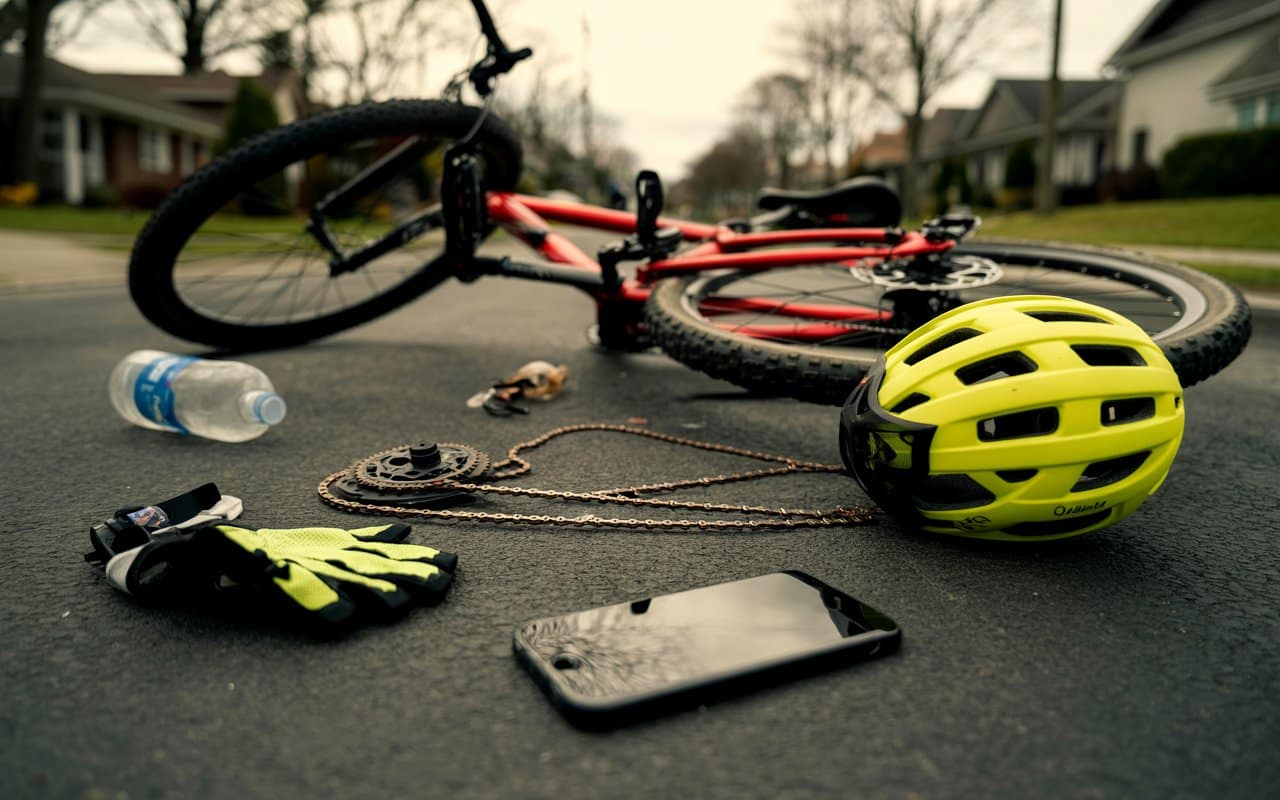
Denver is a city built for movement. On any given morning, bike lanes fill with commuters heading downtown, riders cut through neighborhood streets to avoid traffic, and weekend cyclists stream toward the foothills for longer miles. That energy is part of what makes the city appealing. It also creates a hard truth that many riders learn only after a crash: when a bicycle collides with a car, the cyclist usually absorbs the worst of it.
A scraped shoulder and a bent wheel can turn into far more than an inconvenient afternoon. Lost wages, a fractured wrist, a concussion that lingers for months, and an insurance adjuster calling before you have even scheduled follow-up care, that is where the real pressure starts. At that point, having a Bicycle Accident Lawyer Denver riders can trust is not about being aggressive for the sake of it. It is about protecting your ability to recover physically and financially when the system is already pushing you to settle fast and move on.
What makes these cases difficult is not only the injury. It is the way fault is argued, the way insurers minimize bike claims, and the way small details from the first few days can shape the https://jeffreyyzoa721.sagecurrent.com/posts/bicycle-accident-lawyer-denver-on-road-rage-incidents-involving-cyclists outcome months later. Riders often assume the facts will speak for themselves. In practice, they rarely do unless someone knows how to present them.
A bicycle crash is rarely treated as simply as it should be
On paper, a bicycle collision might sound straightforward. A driver failed to yield. A door opened into a bike lane. A motorist turned across a rider’s path. Yet once the claim begins, simple facts tend to get clouded.
Insurance companies often look for openings. They may suggest the cyclist was hard to see, was moving too fast, drifted outside the lane, or should have anticipated the driver’s mistake. Even when liability seems obvious at the scene, the story can change once statements are taken and claim notes start to accumulate.
Denver adds its own complications. Urban corridors like Colfax, Speer, Broadway, and stretches near downtown combine heavy vehicle traffic, parked cars, delivery activity, pedestrians, buses, scooters, and cyclists in tight spaces. In neighborhoods with newer bike infrastructure, not every driver understands how protected lanes, bike boxes, or right-of-way rules work. In older areas, riders are often forced to share roads that were never designed with safe cycling in mind. The result is predictable conflict, and after a collision, predictable finger-pointing.
A seasoned lawyer understands that these cases are built on specifics. Where exactly was the rider positioned? What were the lane markings? Was there a line of parked cars? Did a witness mention speed, signals, or traffic flow? Was there nearby surveillance from a business or transit camera? Those details do not just fill out a file. They define whether a case is treated as serious and credible, or questioned at every step.
Trust matters more than most people realize
Not every injury lawyer is the right fit for a bike case. That distinction matters.
Bicycle crashes are different from standard motor vehicle claims because the injuries, mechanics, and prejudices are different. Some lawyers treat a rider as if they were simply another pedestrian hit in traffic. Others approach the case like a routine car wreck. Both approaches can miss critical facts. Cyclists move differently, are more exposed, and often sustain injuries that are medically complex but not always obvious on day one. A rider may leave the emergency room believing they escaped with road rash and soreness, only to discover a week later that they have a labral tear, a scaphoid fracture, a vestibular issue, or nerve symptoms that make desk work nearly impossible.
Trust also matters because clients in these cases are vulnerable in a very specific way. Many are active people who are used to solving problems themselves. They want to get the bike repaired, get back to work, and return to riding. That instinct can work against them if they downplay symptoms, delay treatment, or speak casually to an insurer who is documenting every word. A lawyer riders trust can slow the process down just enough to keep a short-term decision from causing long-term harm.
The best attorney-client relationships in bicycle cases have a practical tone. Not dramatic, not salesy, not inflated. A good lawyer will tell you what is strong, what is uncertain, and where the case may face resistance. They should be able to explain comparative fault, insurance limits, medical documentation, and timelines in plain English. If they cannot do that at the start, it usually does not improve later.
Denver riders face a familiar pattern after a crash
The first phase after a collision is often the most chaotic. Adrenaline masks pain. Police reports may be incomplete. The driver may apologize at the scene and deny responsibility later. Witnesses leave. Video gets overwritten. By the time the cyclist realizes the injury is serious, the evidence trail may already be thinning.
A common example involves a right-hook collision, where a driver passes a cyclist and turns right across the rider’s path. To the injured cyclist, fault feels obvious. To an insurer, the questions begin immediately. Was the cyclist in the bike lane the entire time? Was the rider visible? Did the driver signal? Did the rider try to pass on the right? Did anyone actually see the sequence clearly? Without prompt investigation, what seems obvious can become debatable.
Dooring cases follow a similar pattern. A driver or passenger opens a vehicle door into a cyclist’s travel path, and the rider either slams into the door or swerves into traffic to avoid it. These cases can involve both direct impact injuries and secondary collisions. They can also trigger arguments about whether the rider should have been farther from parked cars, even when the road design leaves little safe margin.
Then there are intersection crashes, some of the most severe bike cases in Denver. A left-turning driver claims they never saw the cyclist. A rider proceeding on green is struck and thrown onto the pavement. The visible injuries tell only part of the story. Head injuries, even with a helmet, are common. So are shoulder fractures, wrist fractures, dental trauma, and lower-extremity injuries that interfere with walking, driving, and work.
In all of these scenarios, a lawyer who actually understands bicycle cases brings order to a messy picture. They know which records to secure, how to interpret the crash geometry, and how to present injuries that insurers often try to minimize.
The cost of handling it alone is usually hidden at first
Many riders hesitate to call a lawyer because they do not want to appear litigious. Others believe the claim is too small to justify help. Sometimes they only contact counsel after the insurer has made an offer that feels low but not obviously unreasonable.
That is exactly why underpayment happens.
Early settlement offers are often calibrated to catch people when they know the least about the true value of their case. At that stage, the full medical picture may not be clear. Physical therapy may not have begun. Time away from work may still be accumulating. Bike damage, helmet replacement, follow-up imaging, orthopedic consultation, and future treatment needs may not be fully documented. If the rider has lingering headaches, sleep issues, or reduced grip strength, those symptoms may not yet appear in the records consistently enough to be valued properly.
What looks like a decent offer can become painfully inadequate once treatment continues for another three months. By then, if the claim has been signed away, there is usually no second chance.
A trusted Bicycle Accident Lawyer Denver cyclists rely on will look beyond the emergency room bill. They will examine the whole loss picture: medical expenses, future care, wage loss, reduced earning capacity, property damage, pain, physical limitation, and the impact on daily life. For a committed rider, losing the ability to commute by bike or return to weekend rides is not a trivial inconvenience. It may affect physical health, transportation costs, social life, and mental well-being. A strong claim tells that story with evidence rather than sentiment.
What good legal help actually looks like
The phrase “good lawyer” gets used loosely. In practice, riders should be looking for something more specific than a firm with a polished website and broad promises.
A trustworthy attorney in this area usually does five things well:
- listens carefully to how the crash happened, including the rider’s route, lane position, speed, and visibility
- moves quickly to preserve evidence such as photos, surveillance footage, vehicle damage, and witness accounts
- understands the medical arc of bicycle injuries, including delayed symptoms and the importance of specialist follow-up
- knows how Colorado fault rules and insurance coverage affect the value and risk of the claim
- communicates plainly about strategy, timing, and realistic outcomes
That combination is more important than slogans. Riders need someone who can sort out whether the case involves only the at-fault driver’s liability policy, or also uninsured or underinsured motorist coverage, MedPay, health insurance reimbursement issues, or possible third-party liability tied to a road defect, commercial vehicle, or delivery driver.
Experience shows up in subtle ways. A lawyer with real familiarity in bike cases asks about the helmet. They ask whether the bike computer recorded data. They ask whether there were skid marks, whether the rider was using lights, whether a backpack or pannier was damaged, whether there were body-worn cameras nearby, and whether the crash aggravated an old injury. None of those questions are flashy. All of them can matter.
Colorado law can affect your recovery more than you expect
Colorado follows a modified comparative negligence rule. In plain terms, that means an injured person’s compensation can be reduced by their share of fault, and if they are found 50 percent or more at fault, they may recover nothing from the other side. That rule becomes central in bicycle cases because insurers often try to assign some blame to the rider, even where a driver’s conduct was the main cause.
That does not mean every defense is persuasive. It does mean the claim has to be built carefully. If a rider rolled slightly outside a bike lane to avoid debris, was not wearing bright clothing in daylight, or was moving through an intersection at a pace the insurer calls “fast,” those facts may be used to chip away at value. A lawyer’s role is not to pretend weaknesses do not exist. It is to place them in context and keep minor points from distorting the whole case.
Insurance coverage is another area where experienced guidance matters. Many cyclists are surprised to learn that their own auto policy may help even if they were on a bike at the time of the crash, depending on the coverage purchased. Uninsured and underinsured motorist coverage can be critical when the at-fault driver has low limits or no valid insurance at all. Medical payments coverage may also help with immediate medical bills. These are not details most injured riders are prepared to sort out alone while recovering from a concussion or fractured clavicle.
Then there is the statute of limitations. Deadlines matter, and missing one can destroy an otherwise strong case. Yet different claim types can involve different timing concerns, especially where a governmental entity may be involved. Prompt legal review is often less about rushing into a lawsuit and more about making sure options are preserved.
The right lawyer helps with more than the legal claim
After a serious bicycle crash, clients often need practical help as much as legal analysis. They need to know whether to repair the bike now or preserve it as evidence. They need guidance on documenting bruising, road rash, and healing scars. They may need help obtaining records, organizing bills, or figuring out why one insurer keeps deferring to another.
A solid attorney can reduce that friction. They can coordinate the flow of information so the client is not answering the same questions from multiple adjusters while trying to recover. They can advise on when to give statements, when not to, and how to avoid the common trap of minimizing injuries out of politeness. People say “I’m okay” at the scene all the time. That phrase can haunt a claim even when the person ends up needing surgery.
This support becomes especially valuable in moderate injury cases, the kind that are serious enough to disrupt life but not so catastrophic that the claim speaks for itself. A broken hand for an office worker is one case. The same injury for a surgeon, mechanic, musician, or dental professional is another. A shoulder injury for someone who relies on biking as their primary transportation has practical consequences that may not appear on a standard form. Trustworthy counsel takes time to understand those specifics.
What riders should do right after a Denver bicycle accident
The hours after a crash matter. So do the next few days. Good legal outcomes often begin with boring, disciplined documentation.
If you are able, take these steps:
- get medical care promptly, even if symptoms seem mild at first
- photograph the bike, the vehicle, the scene, road markings, injuries, and any helmet damage
- collect names and contact information for witnesses
- avoid detailed recorded statements to the other insurer before getting advice
- keep every bill, repair estimate, prescription receipt, and work-loss record
Those steps are not about dramatizing the incident. They are about preserving facts before they disappear. A cracked helmet, torn cycling jersey, bent fork, or bloodied glove may look incidental. In a disputed case, those items can corroborate force, direction of impact, and severity in a way paperwork alone cannot.
Medical follow-through is equally important. Gaps in treatment are often used to argue that the injury was minor or resolved quickly. That is not always fair, especially when people delay care because of cost, scheduling problems, or the belief that they should tough it out. But it is common. A lawyer who understands this can help clients think ahead and document legitimate reasons when treatment does not happen on a perfect schedule.
Local knowledge makes a real difference
There is also a practical reason Denver riders benefit from counsel who knows the city. Local lawyers tend to understand recurring traffic patterns, roadway layouts, and the places where cyclist-driver conflicts happen most often. They are more likely to appreciate why a rider took a certain lane position on a particular corridor, why a painted bike lane offered limited actual protection, or why a construction detour created unusual hazards that day.
That local context can help when evaluating witness statements, police narratives, and defense arguments. It can also matter in litigation, where familiarity with local courts, defense firms, and claims practices can shape strategy. This is not about inside favors. It is about knowing the terrain, both literal and procedural.
A Denver-specific perspective also helps with damages. Jurors and adjusters in this region understand, often personally, that cycling is not some fringe activity. It is commuting, recreation, fitness, identity, and in many cases a person’s primary means of getting around. When a lawyer can connect a client’s losses to that local reality without overstating it, the case tends to land with more force.
When trust is missing, cases tend to drift
The warning signs are usually easy to spot. Calls go unanswered. The client gets vague updates but no meaningful explanation. The lawyer pushes for a quick settlement before treatment stabilizes. The case feels like it is being processed rather than understood.
That kind of representation can be costly even when the underlying claim is strong. Bicycle cases need attention to detail and a willingness to develop facts. They also require judgment about timing. Settle too early, and the client may be undercompensated. Wait too long without purpose, and frustration builds while evidence gets stale. Good lawyers calibrate. They know when to press, when to gather more, and when a defense position is bluff more than substance.
Riders should feel comfortable asking direct questions before hiring counsel. How many bicycle cases have you handled? Who will actually work on my file? How do you evaluate road rash, concussion symptoms, or bike replacement issues? What happens if fault is disputed? Clear answers matter. Evasion usually tells its own story.
Recovery is hard enough without fighting every battle alone
A bicycle crash changes the rhythm of ordinary life in ways that outsiders often underestimate. Showering with road rash can hurt. Sleep becomes difficult with rib or shoulder injuries. Commuting suddenly costs more and takes longer. Work performance slips because concentration is off. Training goals disappear. Family members end up filling transportation and household gaps. None of that is abstract. It is the lived cost of the collision.
A trusted lawyer cannot undo the crash, but they can absorb a large share of the burden that follows it. They can protect the claim from early mistakes, develop evidence before it vanishes, and push for compensation that reflects the real scope of the loss. For Denver riders, that kind of representation is not a luxury. It is often the difference between being managed by the insurance process and being properly heard within it.
When the stakes include your health, income, mobility, and ability to get back to the life you built on two wheels, trust is not a soft factor. It is a practical one. And when you need a Bicycle Accident Lawyer Denver riders can rely on, practical is exactly what you want.
❧